Welcome to your Bali preparation guide. This page is designed to help you arrive with clarity, confidence, and ease – from airport arrival and local transport to currency, weather, packing, safety, and what to expect in Uluwatu.
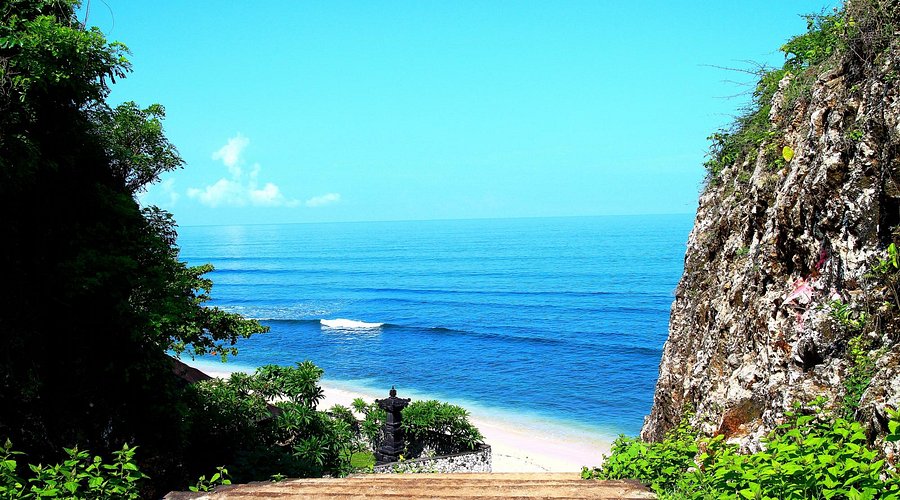
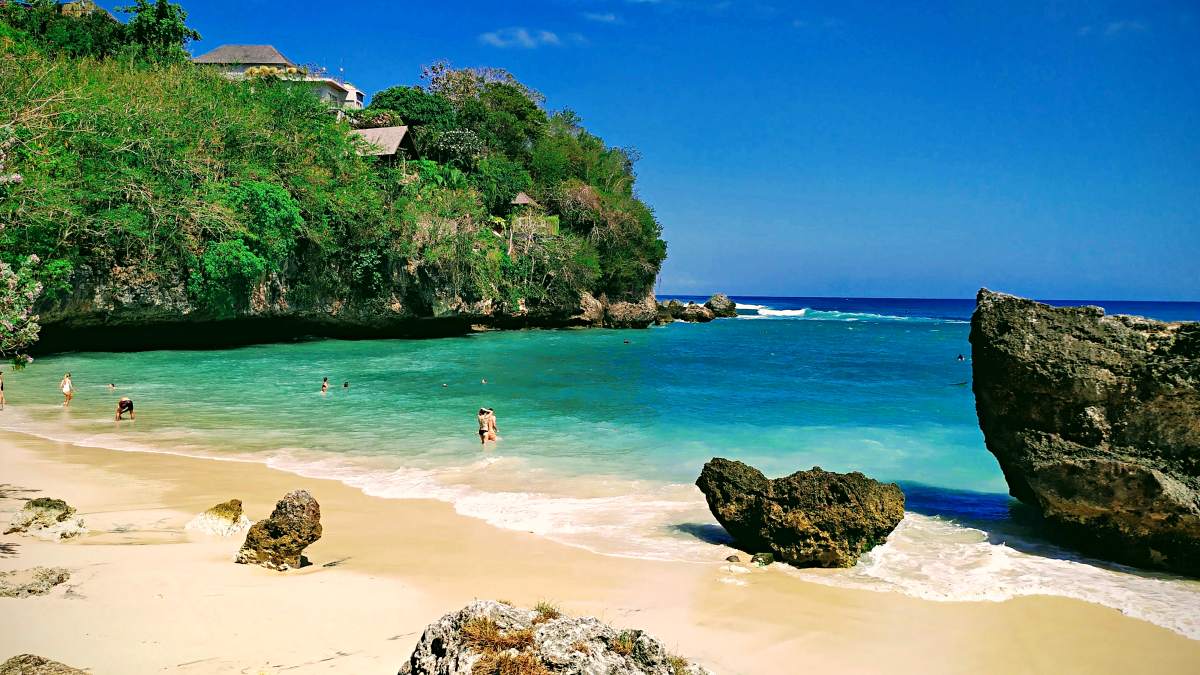
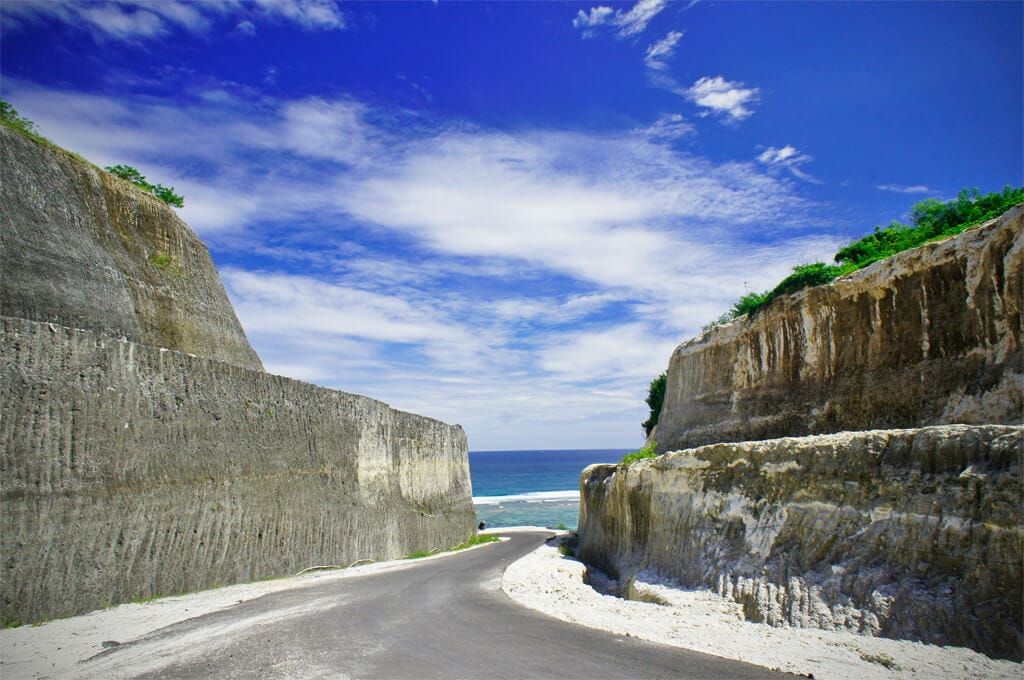
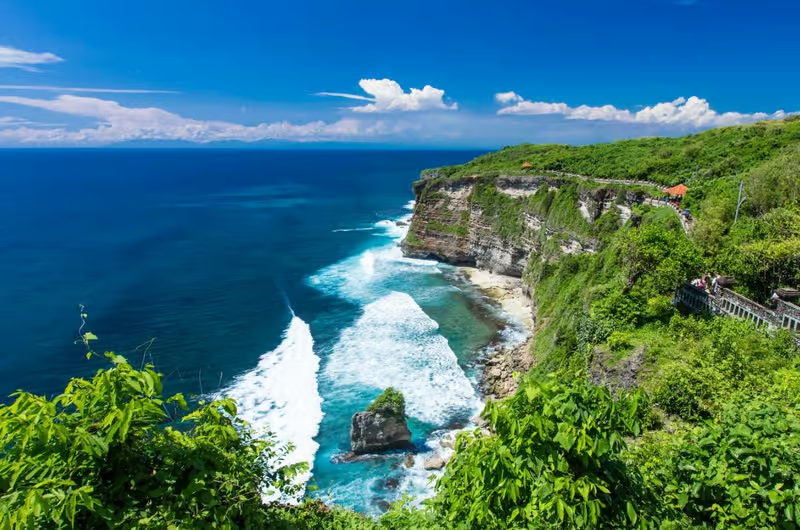
Our training takes place in Uluwatu, Bali – a coastal wellness destination known for dramatic cliffs, turquoise beaches, world-class surf, conscious cafés and restorative island energy.
You will arrive at:
I Gusti Ngurah Rai International Airport, Denpasar, Bali (Airport code: DPS) – Bali’s main international airport.
Immigration time varies depending on your arrival time, number of flights landing, visa type, and document readiness.
Fast arrival: 20–40 minutes
Average arrival: 45–90 minutes
Busy periods (June–August, December–January): 90+ minutes
★ Pro tip – the fast track:
Apply for your e-VOA (Electronic Visa on Arrival) & Complete your All Indonesia Arrival Card before travel, as it includes arrival and declaration details.

To ensure your transition from the aircraft to the tropical clifftops of Uluwatu is entirely seamless, complete your mandatory digital entry requirements before boarding your flight.
All Indonesia Arrival Card:
Complete the official All Indonesia Arrival Card online within 3 days before arrival in Indonesia. You will receive a QR code to present on arrival.
Visa / e-VOA Application: Most international passport holders are eligible for a 30-day Electronic Visa on Arrival. Ensure your passport has at least 6 months validity from your arrival date and that you have a confirmed return or onward flight ticket ready.
Bali Tourist Levy: All incoming international tourists are required to pay a mandatory provincial fee of IDR 150,000 (~$10 USD). Pay this ahead of time via the official Love Bali platform to avoid waiting at the physical airport cash counters.
Keep Digital Copies: Before taking off, take screenshots of your three essential travel QR codes (Arrival Card, e-VOA, and Tourist Levy) and store them in a dedicated photo album on your phone for easy offline access at the airport checkpoints.
If your country issues digital e-Passports (passports containing an electronic microchip symbol on front cover), you can completely bypass standard human immigration counters.
★ Pro tip – the fast track: Bali’s airport features advanced automated e-gates that scan your passport and face, letting you cruise through passport control in less than 30 seconds.


While Bali is famously tropical, Uluwatu enjoys its own unique, coastal microclimate. Situated on the cliffs of the southern peninsula, it is generally sunnier, breezier, and less humid than the dense jungles of Ubud or the crowded northern hubs.
Sun-Kissed Training:
Expect warm, bright days perfect for morning movement. The sea breeze rolling off the limestone cliffs naturally cools down Uluwatu by the afternoon, creating an ideal setting.
The Tropical Rhythm:
If you join us during the wetter months, don’t worry about washed-out days. Rainfall here usually arrives in spectacular, brief tropical downpours that clear up within an hour.
Sunset Release:
We wrap up your daily learning journey just as the coastal winds pick up and the sky changes color, leaving your evenings completely free to enjoy Uluwatu’s world-famous cliffside sunsets and refreshing ocean air.
Whether you visit during the bright summer months or the lush tropical season, understanding the daily patterns helps you maximize your experience.

While preparing for your immersion, understanding how payments flow in Bali ensures a seamless experience from the moment you land.
The Cash Rule: While luxury stays and modern cafes in Uluwatu gladly accept Visa and Mastercard, cash is essential for day-to-day island life. You will need local currency (IDR) for scooter rentals, beach parking, traditional warungs, and tipping your local drivers.
Using ATMs Safely: We highly recommend pulling cash directly from official bank ATMs once you arrive (such as BCA, Mandiri, or BNI). Look for ATMs physically located inside a bank branch or an enclosed, well-lit kiosk for maximum security.
Notify Your Bank: Before boarding your flight, remember to log into your banking app and add a travel notice for Indonesia so your cards aren’t flagged or blocked for unusual activity.
Navigating payments smoothly is part of the island experience. Here is how to keep your funds safe and handle everyday interactions:
Card Safety:
Always keep your physical cards in sight when paying at restaurants or cafes. For seamless, secure transactions, load your cards into Apple Pay or Google Pay, which are widely accepted at modern spots.
Tipping Culture:
Tipping is not mandatory in Bali, but it is deeply appreciated. Leaving a small tip (~10%) at local cafes or rounding up your bill for drivers makes a massive difference to local families.












Whether you want to lead inspiring classes worldwide or simply deepen your own practice, the doors of SVL Yoga are open to you.
I Gusti Ngurah Rai International Airport, Denpasar (DPS).
Usually 45–90 minutes, depending on traffic.
Yes, but airport pickup zones can be specific. With luggage, a pre-booked transfer is easier.
Indonesian Rupiah (IDR). Cards work in many places, but carry cash for small purchases.
Generally very safe, but use normal precautions: secure valuables, use trusted transport, avoid isolated areas late at night, and be careful near cliffs and beaches.
Light, breathable clothing. For training: yoga/pilates wear. For temples: modest clothing or sarong.
Warm and tropical year-round. Dry season May–October, wet season November–April (short showers).
Although optional but strongly recommended for medical needs, flight delays, baggage, and unexpected changes.
We provide mats, but bring your own if you prefer personal comfort.
No. Drink bottled or filtered water only (even for brushing teeth).

♥ Transform through healing, move with embodiment, and graduate to teach with soulful presence.
Subscribe for healing inspiration, embodiment tips, and early access to our Rishikesh and Bali offerings